Starting an affiliate marketing business with zero experience can feel overwhelming, but it’s way more doable than it seems at first glance. Affiliate marketing centers on recommending other people’s products. If someone buys through your unique link, you get a commission. There’s no need for years of tech skills, expensive startup costs, or even your own product. The biggest hurdle is making your first sale, but with a bit of persistence and the right tips, you can get there.
Here’s a beginner-friendly playbook for kicking things off from scratch.
Step 1: Get the Basics (And Why Mindset Matters)
A skilled affiliate marketer understands what they’re promoting and who their message is for. You’re building real recommendations that genuinely help people solve a problem, not just dropping links all over the place. The trick is pairing great products with the right audience.
What Is Affiliate Marketing?
- It’s a way to earn a commission by promoting other people’s or companies’ products.
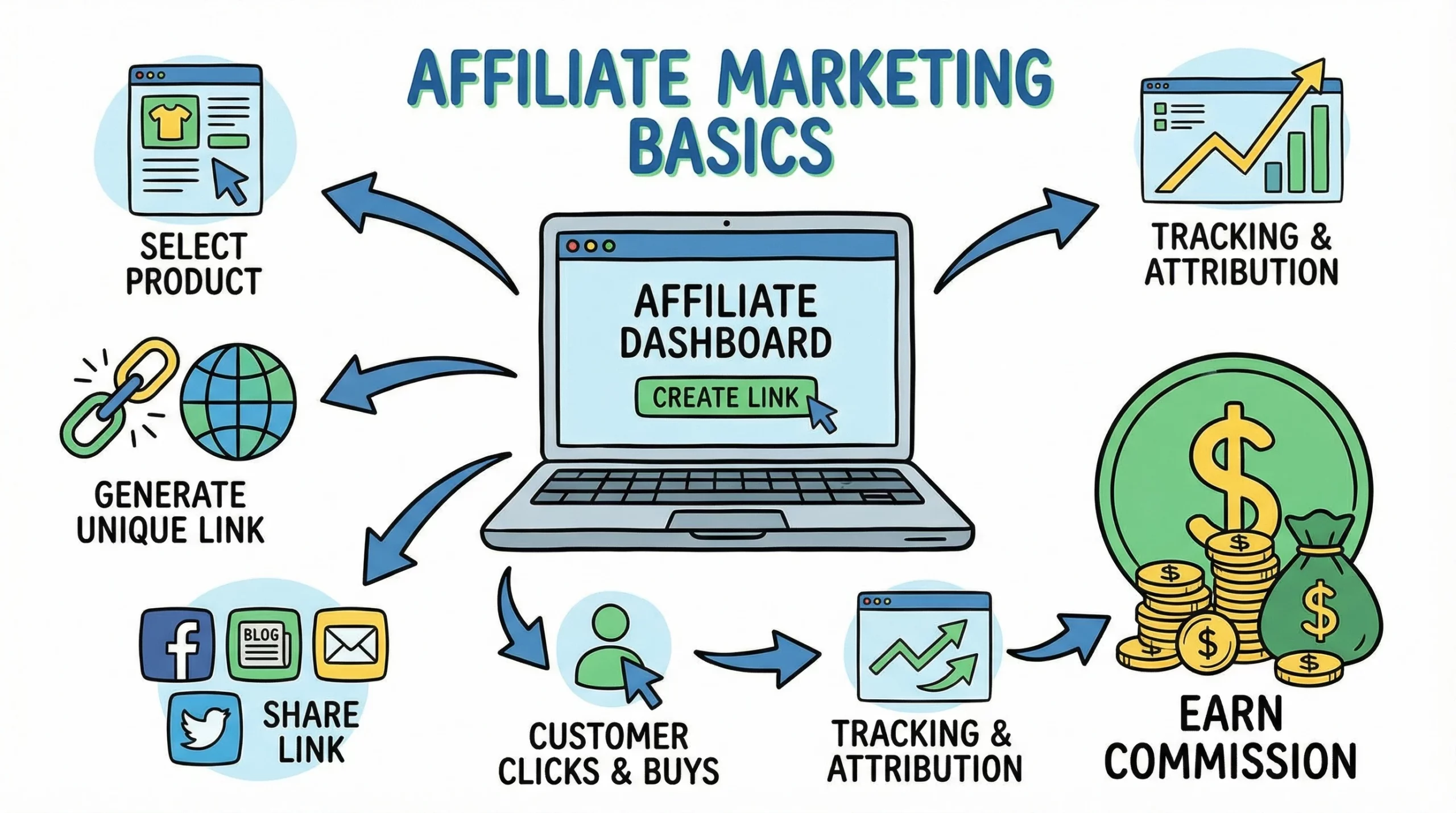
- You join an affiliate program, get a unique tracking link, and share it via a website, social media, email, or even YouTube.
- If someone makes a purchase through your link, you earn a cut of the sale.
Mindset matters most. Affiliate income doesn’t show up overnight. Patience, a will to learn, and regular effort are key. Many get discouraged while waiting for results, but those who stick with it typically see income build gradually.
Step 2: Pick the Right Niche for You
Your niche is simply the topic your platform focuses on. It’s where your knowledge, interests, and what people search for overlap. This step is crucial for your motivation. If you get bored, your audience will too.
Questions to Help You Choose:
- What topics are you passionate about or already knowledgeable about?
- Are there products you actually like, use, or would happily recommend to a friend?
- Does an audience already exist looking for solutions in this space?
Trending Affiliate Niches:
- Health and wellness, like supplements and workout gear
- Tech and gadgets, such as software and phones
- Finance and investing
- Hobbies, like photography, travel, and gardening
- Lifestyle fields, from home decor to fashion and parenting
I chose a hobby niche to start, which gave me plenty of inspiration and products to write about. Finding the right niche made building a site way more rewarding and sustainable over time.
Step 3: Select a Platform (Website, Social Media, or Both)
The beauty of affiliate marketing is you have options for your platform. You could build a simple blog, jump into TikTok, launch a YouTube channel, send a regular newsletter, or create a group on Facebook or Reddit. The right fit comes down to your style and where your audience spends time.
Beginner-Friendly Platforms:
- Website or Blog: Offers long-term value, more control, and sustainable traffic from SEO.
- YouTube Channel: Ideal for product reviews, how-to tutorials, and personal recommendations.
- Instagram/TikTok: Fast to set up and perfect for sharing brief tips and product ideas.
You don’t need fancy skills. Simple website builders like WordPress, Wix, and Squarespace are very userfriendly. Social media is nearly instant to get rolling. Pick one platform at first so you don’t get spread too thin.
Step 4: Sign Up for Affiliate Programs (And What to Look For)
Once you choose your niche and platform, it’s time to join some affiliate programs. Every program supplies you with a unique tracking link.
How to Track Down Affiliate Programs:
- Google “[your niche] + affiliate program” (for example, “gardening tools affiliate program”)
- Explore affiliate networks: Amazon Associates, ShareASale, CJ Affiliate, Impact
- Visit company websites. Many feature affiliate offers in their site footer
Key Things to Watch For:
- Commission rates (some pay small percentages, others offer more for higher-ticket items)
- Cookie duration (how long after someone clicks do you get credit for a sale?)
- Minimum payout and payment methods
Tip: Start with 2 or 3 programs so you can review and recommend a range of products. Some programs are more beginner friendly than others. Amazon Associates and Impact are typically fast to join and easy to start with.
Step 5: Build Content That Really Helps
This step trips up a lot of beginners, but it’s where the real magic happens. You don’t have to be a professional writer, skilled videographer, or big influencer. The secret is sharing content that solves problems, answers common questions, or helps people figure out what to buy.
Types of Valuable Content:
- Product reviews (honest feedback builds trust)
- Step-by-step guides or tutorials
- Comparison articles (like “A vs. B”)
- Lists or roundups (“Best 5 products for…”)
- Personal experiences or success stories
When I created my first product review, I simply explained why I liked the product, how it solved my issue, and linked to it with my affiliate link. I added real-life photos and mentioned both pros and cons so it wouldn’t come off as salesy. This honesty is exactly what resonates with readers.
Step 6: Attract Visitors to Your Links (No Need for Big Budgets)
For your affiliate links to pay off, real people must see and click them. Fortunately, you don’t need to fork out cash for ads when you’re starting out. Free strategies work great for building your first audience.
Top Ways to Build Traffic:
- Use SEO: Add keywords that your audience uses in searches on Google and YouTube
- Engage in forums or groups on Reddit, Facebook, or Quora, sharing genuine tips and advice
- Create a simple email list by offering a helpful resource, then send your latest reviews or tips to your subscribers
At first, growth is slow. Every visitor, though, represents a possible click or commission. Keep sharing your content and lending a hand in your niche’s communities and your traffic will grow.
Step 7: Track Results and Grow Smarter
Your first sale is a rush, but it’s equally important to learn from the clicks and traffic leading up to it. Most affiliate programs provide dashboards to let you see where clicks and sales are coming from.
How I Check Progress:
- Watch which pages, posts, or videos get the most clicks
- Spot what type of content actually makes sales—not just brings in traffic
- Try tweaking headlines, adding different product comparisons, or answering fresh questions for better results
The affiliates who double down on tracking and experiment with new ideas are often the ones who grow fastest. Don’t hesitate to try new styles or products—sometimes a new angle unlocks a whole new audience.
Common Questions and Pitfalls (And How to Fix Them)
What if I have zero audience?
Everyone begins with no audience! Focus on content that solves actual questions in your field. Share your posts in groups or with friends and family. SEO and time help the rest fall into place.
Can I do affiliate marketing without a website?
Absolutely. Use channels like YouTube, Instagram, TikTok, or build an email list. Just follow each platform’s rules for sharing affiliate links to avoid any issues.
I’m worried about sounding too salesy; how do I avoid that?
Honesty is your best friend. If a product isn’t right for everyone, say it clearly. Transparency grows trust, which pays dividends over time as readers come back for more real recommendations.
Next Steps: Your Beginner Affiliate Action Guide
- Pick a niche and platform you’ll enjoy working on over the long haul.
- Sign up for a couple of beginner-friendly affiliate programs within your chosen area.
- Create your first review, how-to guide, or best-of list with a real focus on helping and not just selling.
- Share your helpful content in the places your audience likes to hang out, and keep an eye on your clicks and sales.
Stick to the fundamentals, expect steady growth, and remember that every successful affiliate marketer started out as a newbie. What niche or topic are you thinking of exploring? Drop your ideas below, and I’ll be cheering for your success!