Building an affiliate website can be a pretty solid way to make passive income, especially if it ranks well on Google and brings a steady stream of visitors. Getting started might feel overwhelming with all the options out there, but breaking things down into steps really helps. My goal here is to give you a no-nonsense blueprint for setting up a website that gets traffic and actually earns those sweet commissions.
You’re going to learn about picking a niche, setting up your site structure, planning content, basic SEO, and how to make your site as hands-off as possible while the money rolls in. I’m sharing tips from personal experience, so you’ll spot little things here and there that made my own adventure easier. That’ll hopefully save you a bunch of time and stress.
This walkthrough is for anyone who wants to start an affiliate site from scratch, nail down their search engine optimization, and see more passive income each month. Every step is broken out so you can follow along, even if you’re new to online business or making money with websites.
Step 1: Choose a Profitable & Specific Niche
The first move is picking the right niche for your affiliate site. This is way more important than most people realize. A “niche” just means a focused topic or interest area—think camping gear, pet care, or home security.
What Makes a Good Niche?
- Demand: People search for it a lot on Google.
- Payouts: Affiliate programs in the space offer decent commissions.
- Competition: Not too crowded, but still has active buyers.
- Evergreen: Stays popular all year, not just a trend.
Finding a balance here matters. I usually run a few keyword searches with tools like Jaaxy, Ahrefs, Google Trends, or even the autocomplete function in Google to spot what people are asking. If you see a mix of informational and buying keywords (like “best travel backpacks” or “cameras for beginners”), that’s a good sign.
Niche Examples That Work for Affiliates:
- Fitness programs for busy parents
- Home office gadgets
- Ecofriendly pet supplies
- Gardening tools for small spaces
Niches don’t need to be groundbreaking. They just need to have an audience that buys stuff online.
It can help to read forums and check subreddits related to your interests—places where real users are asking questions or talking about problems. This not only helps you find untapped keywords, but can also inspire content later on. Being part of the community increases the trust factor when you recommend products too.
Step 2: Set Up the Right Website Structure
With a niche picked out, it’s time to set up the actual website. I recommend using WordPress because it’s free, easy to customize, and Google loves it for SEO.
How Your Website Should Be Organized
- Homepage: Brief intro, what you cover, and some of your best guides.
- Main Categories: Each covers a related topic (like “reviews,” “how-to guides,” or “news”).
- Individual Posts: Focus on specific keywords your readers search for (like “best wireless headphones”).
When setting up, stick with a clean and fast theme. Avoid clutter and popups that drive people away. Make sure your site loads quickly, works well on mobile devices, and is easy to find your way through. These things are pretty important for ranking higher in Google too.
Plugins You’ll Find Handy:
- SEO plugin (like Rank Math or Yoast)
- Design plugin (like Elementor)
- Fast caching plugin (like WP Rocket or W3 Total Cache)
- Table builder for reviews (e.g., TablePress)
I always keep the backend simple to avoid headaches with maintenance down the road. Pick only the plugins you need, and don’t forget to update them often to keep your site secure.
Step 3: Do Keyword Research & Plan Content
Before typing your first article, you’ll want a solid content plan. This is where keyword research comes in. Basically, find out what people search for, how many are searching, and what questions aren’t already answered well on Google.
Types of Content for Affiliate Sites
- Product Reviews: Single product deep dives with pros, cons, and real world use.
- “Best Of” Lists: Roundups like “best hiking boots” or “top meal delivery kits” with affiliate links.
- Tutorials & How-To Guides: Show people how to use what you recommend (“How to set up a drip irrigation system”).
- Comparison Posts: Break down two competing products and include affiliate links to both.
When choosing keywords, shoot for longtail phrases (more specific, less competitive), phrases like “best laptops for graphic design under $1000” are easier to rank for than just “laptops.” Use free tools like Ubersuggest, Google Keyword Planner, or the related searches at the bottom of a Google results page to build your list.
Create a spreadsheet with keywords, target categories, and post ideas. This content roadmap makes publishing consistent articles way easier. Try to include topics that answer “beginner” questions as well as more advanced or niche needs. This way, you cast a wider net for traffic.
Step 4: Write SEO-Friendly, Helpful Content
This is where most affiliate sites either shine or flop. Google rewards sites that actually help readers. Your goal? Create articles that answer real questions, solve genuine problems, and make buying decisions super easy.
How I Format My Affiliate Articles:
- Easy to read Introductions: Explain what the article covers and who it helps.
- Clear Subheadings: Use keywords naturally in H2 and H3 tags.
- Scannable Lists & Bullet Points: Make info quick to digest.
- Honest Pros & Cons: Readers trust reviews that show the good and the bad.
- Affiliate Links: Naturally worked into product names or CTA buttons (never forced or spammy).
Don’t copy and paste manufacturer descriptions or “spin” other people’s posts. Add your personal opinions, small screenshots, or your own photos when possible. These touches build trust, which is super useful for both readers and Google’s ranking algorithms.
When you’re putting your articles together, keep them focused. Avoid going off on unrelated tangents so readers can find what they want fast. You might even add FAQ sections to answer common side questions and keep visitors on your site longer.
Step 5: Basic SEO Setup for Ranking
To get traffic from Google, you need some foundational SEO. Good news: most of its pretty straightforward.
On-Page SEO Checklist
- Target Keyword in Title: Make titles that clearly explain what the article is about, using your main keyword near the front.
- Meta Description: Write a short, enticing summary for each post; this is what shows up in search results.
- Internal Links: Link between related articles on your site (like a “best electric bike” post linking to a “how to maintain your ebike” guide).
- External Links: Reference a few quality, credible sources where it makes sense (industry blogs, studies, manufacturer pages).
- Images with Alt Text: Use clear, descriptive file names and alt text for each image.
Most SEO plugins will guide you through these steps as you write, so you can tick them off with every new post. Remember to keep URLs short and keyword-rich for an added search boost.
Step 6: Monetize with Trusted Affiliate Programs
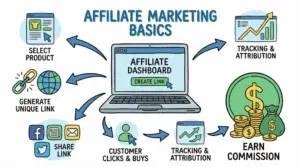
To make passive income, you need to join affiliate programs that pay commissions when people click your links and buy. I usually go straight to the big networks first, then check for individual companies offering direct deals.
Popular Affiliate Networks to Join:
- Amazon Associates (for a wide range of products)
- ShareASale (huge range of merchants)
- Impact (big in tech and software)
- Commission Junction (lots of brands, especially retail and travel)
Some niche programs offer higher payouts, so don’t hesitate to check company websites for their own program details. Always read the rules and double-check payout thresholds or restrictions, since some programs have minimums or ban certain types of promotion.
Monetization Extra Tips
- Disclose affiliate links honestly; put a small notice at the top of posts.
- Test different placements for links and buttons to see what converts best.
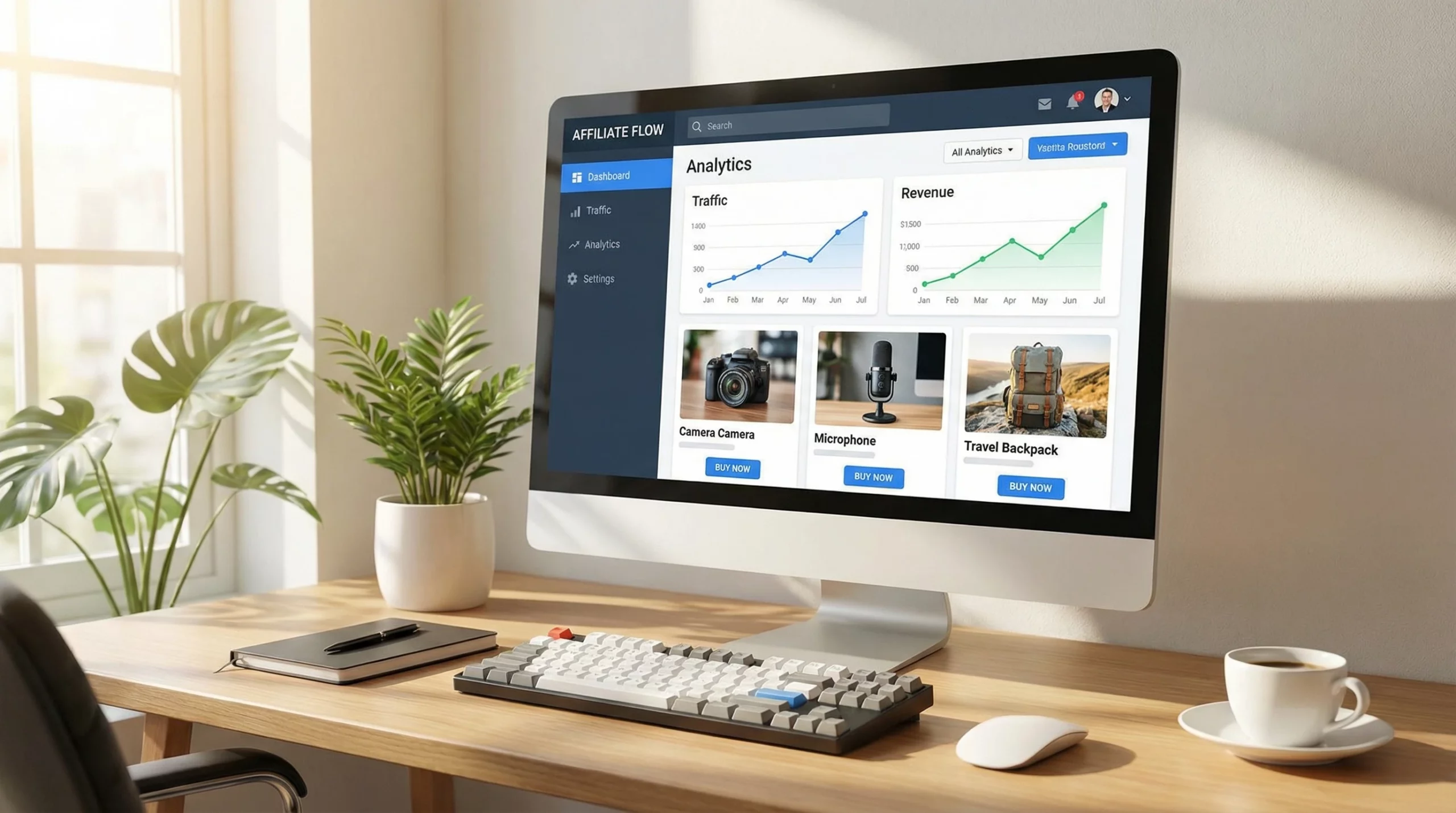
- Track clicks and conversions using your affiliate dashboards or tools like Pretty Links for WordPress.
Step 7: Stay Consistent & Build for the Long Term
Google rewards sites that update often and stick around for the long haul. Consistency matters way more than perfection. Here are a few habits that help my sites keep growing month after month.
Habits That Grow Affiliate Websites:
- Publish new content every week; even two articles a month can add up fast.
- Update old posts as information or products change.
- Reply to comments or questions to show your site is active.
- Use basic analytics (like Google Analytics) to see what’s working and adjust your plan.
Building traffic and income takes a bit—anywhere from a few months to a year—especially if you’re aiming for search engines. Once your site’s ranking for a handful of buying keywords, the income and traffic tend to snowball with less work over time.
Another good habit is to network with other site owners in your niche. Guest posts or helpful comments on their blogs can lead to natural backlinks, which improve your rankings. Be helpful and friendly—you never know who might notice and support your project in the future.
Affiliate Website Quick Q&A & Troubleshooting
What if my site isn’t ranking yet?
Sometimes it just takes patience. Go back and make sure your content matches what people search for, double-check your on-page SEO, and beef up internal links wherever you can. Also, try to get some social shares or simple backlinks from trusted forums. These small boosts can help Google notice your site quicker.
How many posts do I need to see results?
- Most affiliate sites see some progress after 20-30 well targeted posts, but more quality articles help cover more ground. Focus on steady publishing, and results will follow.
What’s the best way to get users to click affiliate links?
- Make your links and buttons obvious but natural. Recommend based on honest real world use, and don’t stuff links where they don’t fit. People pick up on hype quickly!
Wrapping Up & Your Action Plan
Affiliate websites aren’t magic, but they’re super practical if you pick a smart niche, plan your content, and give Google what it wants. Consistency and patience really pay off. The more you help your readers, the more you earn.
Your First Steps:
- Pick your niche; focus on something both profitable and interesting.
- Set up a simple WordPress site with a clean structure and helpful plugins.
- Plan and publish your first articles; mix product reviews, “best of” lists, and how-tos.
What niche are you aiming for, or which affiliate program do you want to try? Drop your thoughts or questions below!